Fiber Has an FDA Definition. Prebiotic Does Not.
“Dietary fiber” is a term FDA formally defines in regulation, including a specific test: an isolated or synthetic non-digestible carbohydrate only counts as fiber if FDA determines it produces at least one of six specific, evidence-backed physiological benefits. “Prebiotic” has no equivalent FDA or other government regulatory definition anywhere in U.S. food law. The most widely used definition of “prebiotic” comes from the International Scientific Association for Probiotics and Prebiotics (ISAPP), an independent scientific consensus body, not a regulator. The two words describe related but legally different things.
Why this distinction matters on a label like this one
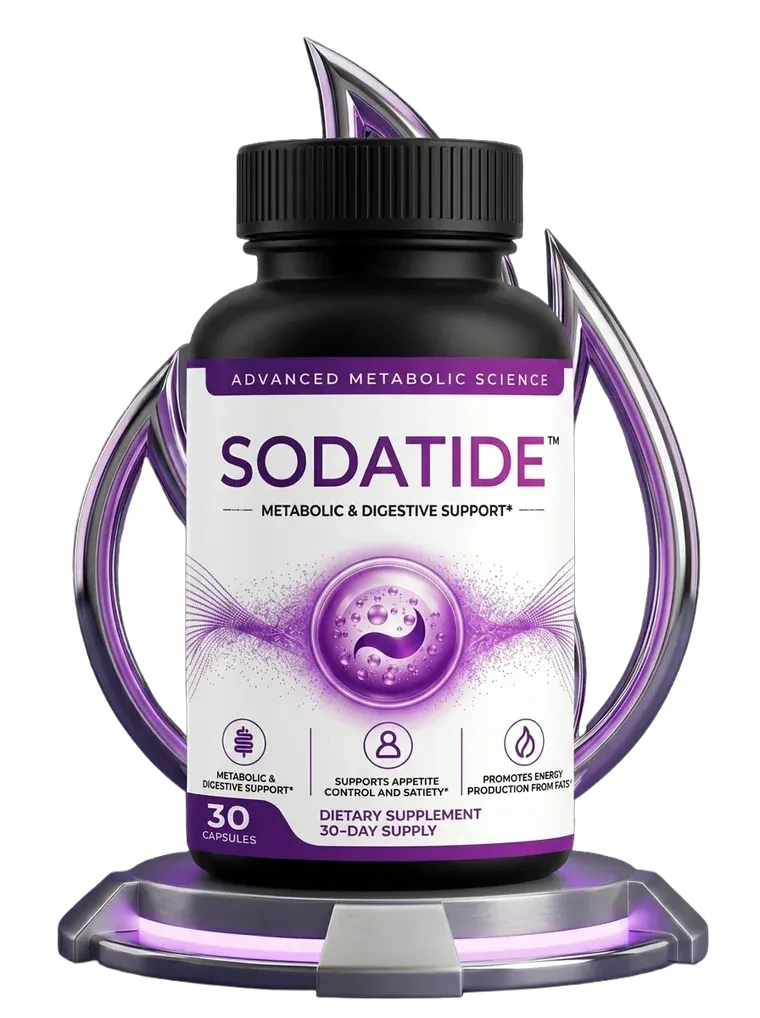
This product's Supplement Facts panel names two ingredients, chicory root inulin and potato resistant starch, that are routinely described with both words: “fiber” and “prebiotic.” The two words get used almost interchangeably in everyday marketing copy. Legally and scientifically, they are not interchangeable at all. One is a term FDA defines and tests ingredients against before allowing it on a Nutrition or Supplement Facts panel. The other is a term with no government definition anywhere in U.S. law.
Knowing which word is doing regulatory work, and which one is doing descriptive work only, changes how much weight a reader should put on either claim.
This is not a criticism of either ingredient or of the word “prebiotic” itself. It is a request to treat the two words as what they actually are: one backed by a specific federal evidence test with an agency enforcing it, the other backed by an influential, carefully written, but non-governmental scientific consensus. Both kinds of definition are useful. They are simply not the same kind of authority, and a label or an article can accurately use both words about the same ingredient without either word meaning what the other one means.
FDA's definition of dietary fiber, in full
FDA's regulatory definition of dietary fiber, published in its current Nutrition and Supplement Facts labeling guidance, covers two categories: naturally occurring fiber that is “intrinsic and intact” in plants, and isolated or synthetic non-digestible carbohydrates that FDA has separately determined produce a beneficial physiological effect (FDA, Questions and Answers on Dietary Fiber).
The second category is the one that matters for a supplement ingredient like extracted chicory root inulin or extracted potato starch, since neither reaches a capsule in its original, intact plant form. For an isolated ingredient like these, meeting the carbohydrate-structure part of the definition (three or more monomeric units, non-digestible) is necessary but not sufficient. It also has to clear a second, separate hurdle, covered next.
The six-effect test behind that definition
To be formally recognized as dietary fiber, an isolated or synthetic non-digestible carbohydrate has to be shown, to FDA's satisfaction, to produce at least one of six specific physiological effects:
- Lowering post-meal blood glucose and/or insulin levels
- Reducing fasting blood LDL-cholesterol or fasting blood glucose
- Lowering blood pressure
- Increasing frequency of bowel movements
- Enhancing mineral absorption in the intestinal tract
- Reducing energy (calorie) intake
A manufacturer or ingredient supplier has to submit a formal citizen petition to FDA, with scientific evidence demonstrating one of those six effects, before FDA will add a given isolated carbohydrate to its recognized dietary fiber list. This is a specific regulatory process with a government agency on the other end of it, not a scientific society's general position.
Notice what the list does not include: no effect on gut bacteria composition appears among the six. An ingredient can measurably shift the makeup of someone's gut microbiome, the exact mechanism behind the word “prebiotic,” and still not, on its own, satisfy FDA's dietary fiber test, which is written around blood sugar, cholesterol, blood pressure, bowel frequency, mineral absorption and energy intake instead. The two definitions are not just issued by different bodies; they are built around genuinely different kinds of evidence.
Who decides: FDA, not the ingredient maker
The authority to say “this specific ingredient counts as dietary fiber on a U.S. label” sits with FDA alone, and only after that petition-and-evidence process. As of FDA's current guidance, seven isolated carbohydrates have cleared that process, including hydroxypropyl methylcellulose (the same material used as this product's capsule shell, discussed in a separate article on this blog). Several others, including inulin and inulin-type fructans and high-amylose resistant starch, remain in proposed status: under FDA review, not yet finalized.
That distinction, finalized versus proposed, is not a technicality. It is the literal difference between “FDA has reviewed the evidence and recognizes this as fiber” and “FDA is still reviewing the evidence.”
The seven currently recognized isolated fibers are beta-glucan soluble fiber, psyllium husk, cellulose, guar gum, pectin, locust bean gum, and hydroxypropyl methylcellulose. None of this product's two headline fiber ingredients, chicory root inulin or potato resistant starch, is on that finalized list as of FDA's current published guidance; both sit on the separate, proposed list instead, alongside other candidates still working through the same petition process.
The ISAPP definition of prebiotic
“Prebiotic” comes from an entirely different source. The term was introduced in a 1995 scientific paper that proposed feeding specific, beneficial gut bacteria with selected food components as a deliberate strategy (Gibson and Roberfroid, 1995). The definition was later refined and formalized by the International Scientific Association for Probiotics and Prebiotics (ISAPP), an independent nonprofit scientific organization, in a 2017 expert consensus statement.
ISAPP's current definition describes a prebiotic as “substrates that are selectively utilized by host microorganisms conferring a health benefit” (Gibson et al., 2017). That is a scientific, mechanism-based definition, built around selective bacterial feeding and a resulting health benefit, and it is genuinely useful for researchers designing studies. It was never written as, and has never become, a government regulatory standard.
The 1995 origin point is worth sitting with for a moment, because it explains why the concept predates any attempt to regulate it. The original paper's authors were proposing a new way to think about diet and gut bacteria together, not petitioning a regulator for a label claim. “Prebiotic” entered scientific and then popular use from that research starting point, decades before any product label needed the word, which is the reverse of how a regulated term like “gluten-free” came about, starting from a labeling need that then drove a formal rule.
No regulator stands behind “prebiotic” the way one stands behind “fiber”
No FDA regulation defines “prebiotic,” sets a test an ingredient must pass to be called one, or requires a petition process before the word appears on a label. That means “prebiotic,” when it shows up on packaging or in marketing copy, functions the same way “vegetarian” does on a capsule shell claim, discussed in a related article on this blog: it falls under FDA's general requirement that labeling be truthful and not misleading, rather than under a specific, numeric, petition-and-evidence regulatory category.
| Feature | “Dietary fiber” | “Prebiotic” |
|---|---|---|
| Defined by | FDA (federal regulation) | ISAPP (independent scientific society) |
| Legal status | Formal regulatory term | No government regulatory definition |
| Entry process for a new ingredient | Citizen petition with evidence, reviewed by FDA | No formal process; usage follows scientific consensus |
| Evidence standard | At least one of six specified physiological effects | Selective utilization by host microorganisms, conferring a health benefit |
| Who enforces label accuracy | FDA | General “truthful, not misleading” labeling rule only |
Where this label's own ingredients land on both definitions
Chicory root inulin and potato resistant starch both fit ISAPP's scientific definition of prebiotic reasonably well; both are substrates that selectively feed specific gut bacteria, the mechanism covered in detail in two other articles on this blog. Neither word, inulin or resistant starch, needs any regulatory approval to be described that way, because “prebiotic” carries no regulatory approval process to clear.
Against FDA's fiber definition specifically, both ingredients remain in proposed, not finalized, status, as covered in this blog's article on the label's combined fiber math. They are fiber in the everyday and scientific sense. They have not yet completed the specific government process that would let “dietary fiber” be declared as a finalized, combined nutrient line with an FDA-backed percent Daily Value on this label.
This is also exactly why both words show up on this label and this site in different places, doing different jobs. “Resistant starch” and “chicory root inulin” appear as ingredient names, since that is how the label chooses to declare them. “Prebiotic” appears in descriptive, educational content like this article, since it is accurate scientific terminology for how the two ingredients behave in the gut. Neither usage is improper; they are simply answering different questions, one about what the Supplement Facts panel formally declares, the other about what the ingredients scientifically do.
The practical difference for a reader
When a label or an article uses the word “fiber,” there is, at least potentially, a specific government agency and a specific evidence test standing behind that word, even if a given ingredient hasn't finished clearing that test yet. When the same content uses the word “prebiotic,” there is a respected scientific consensus definition behind it, but no regulator, no petition process, and no government enforcement specific to that word.
Neither fact makes one word more or less true of a specific ingredient. It changes what kind of claim is actually being made. “Fiber,” used precisely, is pointing at a regulatory category with a test behind it. “Prebiotic,” used precisely, is pointing at a scientific mechanism with a consensus definition behind it. This label, and the research behind its two named ingredients, can reasonably use both words, as long as a reader understands those are two different kinds of claims, not two labels for the exact same fact.
The quickest way to keep the two straight going forward: if a claim is about a specific, numbered physiological effect tied to a government evidence review, it is drawing on the fiber definition. If a claim is about feeding specific gut bacteria and the downstream health benefit of that, it is drawing on the prebiotic definition. The two frequently describe the same ingredient from two different angles, and this label's chicory root inulin and potato resistant starch are a clear example of exactly that overlap.
Both descriptions can be true of the same two ingredients at once, and neither one cancels the other out. The regulatory status is a snapshot of where a government review process currently stands, not a verdict on the underlying biology. A proposed-but-not-yet-finalized FDA status today does not rule out a finalized one later; it means the petition-and-evidence process for these two ingredients, as a matter of public record, is still open.
Fiber Has an FDA Definition. Prebiotic Does Not.: common questions
Does FDA have an official definition of “dietary fiber”?
Yes. FDA's regulatory definition covers naturally intact plant fiber and isolated or synthetic non-digestible carbohydrates that FDA has determined produce at least one of six specified beneficial physiological effects.
Does FDA have an official definition of “prebiotic”?
No. There is no FDA or other U.S. government regulatory definition of “prebiotic.” The most widely used definition comes from ISAPP, an independent scientific association, not a regulator.
What is ISAPP's definition of prebiotic?
Substrates that are selectively utilized by host microorganisms, conferring a health benefit, as set out in a 2017 expert consensus statement led by Dr. Glenn Gibson and colleagues.
What are the six effects FDA looks for before recognizing an isolated fiber?
Lowering post-meal blood glucose or insulin, reducing fasting LDL-cholesterol or blood glucose, lowering blood pressure, increasing bowel movement frequency, enhancing mineral absorption, and reducing energy intake. An ingredient needs evidence of at least one.
Are this label's two fiber ingredients FDA-recognized dietary fiber?
Both chicory root inulin and potato resistant starch (specifically the high-amylose/RS2 type) are currently on FDA's proposed list for dietary fiber recognition, not its finalized list, according to FDA's current guidance.
Does the lack of an FDA definition for “prebiotic” mean the term is meaningless?
No. It means the term rests on scientific consensus rather than government regulation, a real and useful distinction, but a different kind of authority than the one behind a regulated term like “dietary fiber.”