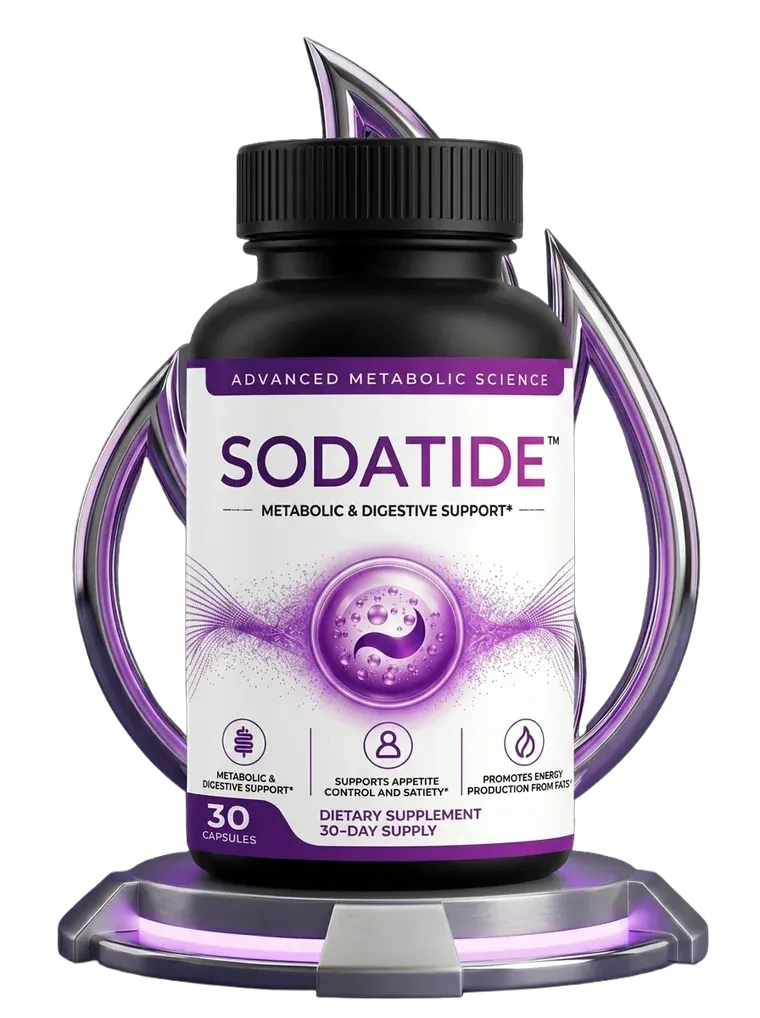
Inulin vs. Resistant Starch: Two Prebiotic Fibers Compared
Inulin and resistant starch are both prebiotic fibers that feed gut bacteria. Inulin comes mostly from chicory root and ferments fast. Resistant starch comes from foods like raw potato and ferments more slowly. Studies used 12 to 21 grams of inulin and 3.5 to 34 grams of resistant starch a day. One Sodatide capsule holds 211 mg and 100 mg.
What is inulin, the chicory root fiber in Sodatide?

Inulin is a soluble fiber made of fructose sugars linked in a chain. Your small intestine cannot break those links, so inulin reaches the colon whole.
Food makers pull most of their inulin from chicory root. Oligofructose is a shorter version of the same kind of fiber. Much of the research on appetite used oligofructose.
Foods that carry inulin
- Onions, leeks and garlic
- Asparagus and Jerusalem artichoke
- Slightly green bananas
- Wheat, in small amounts
What is potato resistant starch, the second Sodatide fiber?
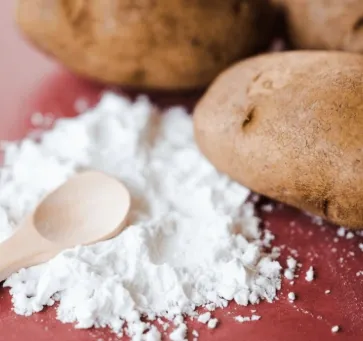
Resistant starch is starch that resists digestion. It is a chain of glucose, like the starch in bread, but packed in a way your enzymes cannot open.
Raw potato starch is one of the richest sources. Heat changes it, so a hot baked potato gives you far less. When cooked potatoes cool, some of the starch turns resistant again.
Foods that carry resistant starch
- Cooked and cooled potatoes, rice and pasta
- Green bananas and plantains
- Beans, lentils and peas
- Oats and whole grains
How do inulin and resistant starch work in the gut?
Both fibers pass the small intestine and get eaten by bacteria in the colon. The bacteria turn them into short-chain fatty acids, such as butyrate (Baxter et al., 2019). The two fibers differ in speed, place and the bacteria they favor.
They skip digestion
Neither fiber is broken down by your own enzymes. Both arrive in the colon mostly intact.
Bacteria ferment them
Inulin tends to ferment fast, near the start of the colon. Resistant starch tends to ferment more slowly and further along.
Fatty acids form
Fermentation makes acetate, propionate and butyrate. Butyrate is a main fuel for the cells that line the colon.
Gas is a side product
Fast fermentation makes more gas at once. That is why inulin is more often linked to bloating at higher doses.
Not everyone responds the same way. In a trial of 174 people, potato starch raised butyrate by 29% on average, but 37% of people had no rise at all (Baxter et al., 2019). Your own gut bacteria shape the result.
Inulin vs. resistant starch: a side-by-side comparison
Inulin and resistant starch are both prebiotics, but they are built from different sugars. The table puts the main differences in one place.
| Feature | Inulin | Resistant starch |
|---|---|---|
| Made of | Fructose chains | Glucose chains |
| Main source in supplements | Chicory root | Raw potato, corn or green banana |
| Dissolves in water | Yes | Mostly no |
| Fermentation speed | Fast | Slower |
| Bacteria it feeds most | Bifidobacteria | Butyrate makers, plus Bifidobacteria |
| Gas and bloating | More likely at higher doses | Often milder |
| Dose used in studies | 12-21 g a day | 3.5-34 g a day |
| Amount in one Sodatide capsule | 211 mg | 100 mg |
The last two rows matter most for buyers. They show the gap between what studies used and what a capsule can hold.
What does the research on inulin show?
Inulin-type fibers have the longer research record for appetite and bowel habits. The clearest results came from doses of 12 grams a day or more.
- Hunger and fullness. At 16 g a day of oligofructose for two weeks, hunger ratings fell and the fullness hormones GLP-1 and PYY rose (Cani et al., 2009).
- Eating less. At 21 g a day for 12 weeks, people ate less and lost about 1 kg, while the control group gained a little (Parnell and Reimer, 2009).
- Regularity. At 12 g a day of chicory inulin, stools rose from 3 to 4 a week in people with constipation (Micka et al., 2017). An inulin maker funded that trial.
- Tolerance. At 5 and 10 g a day, gas and bloating were the main complaints, and native inulin was well tolerated (Bonnema et al., 2010).
These were small trials in adults. They tested the fiber, not any finished supplement.
Want the full Sodatide label first?
Every amount is printed: 211 mg inulin, 100 mg potato resistant starch and a 36 mg probiotic blend. Packs are priced at checkout.
What does the research on resistant starch show?
Resistant starch research is more mixed. Some trials found clear changes in gut bacteria or blood sugar, and others found none.
| Study | Dose | What happened |
|---|---|---|
| Bush 2023 (Bush et al., 2023) | 3.5 or 7 g a day, 4 weeks | At 3.5 g, Bifidobacterium and Akkermansia rose. Funded by the starch maker. |
| Baxter 2019 (Baxter et al., 2019) | 28-34 g a day, 2 weeks | Butyrate rose 29% on average; 37% of people had no rise. |
| Robertson 2005 (Robertson et al., 2005) | 30 g a day, 4 weeks | Insulin sensitivity rose; body weight did not change. |
| Bodinham 2010 (Bodinham et al., 2010) | 48 g in one day | People ate less later, but hunger ratings did not change. |
| Sanders 2021 (Sanders et al., 2021) | About 18 g over 24 hours | No change in insulin sensitivity; fasting glucose was lower. |
| Higgins 2004 (Higgins et al., 2004) | Single meals, corn starch | Fat burning rose 23% at a low share, not at the higher one. |
The Bush trial stands out because its dose was the lowest. Even so, 3.5 grams is 35 times the amount in one capsule.
How much of each fiber is in a Sodatide capsule?
One Sodatide capsule gives you 211 mg of chicory root inulin and 100 mg of potato resistant starch. Together that is about a third of a gram of fiber a day.
| Fiber | Sodatide per day | Lowest study dose | Gap |
|---|---|---|---|
| Chicory root inulin | 211 mg | 12 g | About 57x |
| Potato resistant starch | 100 mg | 3.5 g | 35x |
The label lists every amount, which makes this check possible. You can see the full panel on the supplement facts page and read more about each fiber on the Sodatide ingredients page.
Inulin or resistant starch: which one fits you?
For most people, the simplest answer is some of both, mostly from food. The two fibers feed different bacteria, so a mix covers more ground.
Choose inulin first if
You want support for regularity and can handle a little extra gas while your gut adjusts.
Choose resistant starch first if
Inulin gives you bloating, or you want a fiber that ferments more slowly.
Use both if
You want a wider mix of fibers. Add one at a time so you can tell which one suits you.
How to add prebiotic fiber without the bloat
- Start with a small amount, well under the study doses.
- Raise it every week or so, not every day.
- Drink more water as your fiber goes up.
- Talk to your doctor first if you have a gut condition or take medicine.
Fiber is only half of a synbiotic. Read what Akkermansia muciniphila is, then learn how to read a probiotic label before you buy.
Inulin and resistant starch: common questions
Is inulin the same as resistant starch?
No. Both are prebiotic fibers, but inulin is a chain of fructose sugars and resistant starch is a chain of glucose. They feed different bacteria and ferment at different speeds.
Which fiber causes less gas, inulin or resistant starch?
Resistant starch tends to ferment more slowly, so many people find it gentler. Inulin is more likely to cause gas and bloating as the dose climbs, as one tolerance study found at 5 and 10 grams a day.
How much inulin is in Sodatide?
Each Sodatide capsule has 211 mg of chicory root inulin. Human studies on inulin-type fiber used 12 to 21 grams a day.
How much resistant starch is in Sodatide?
Each capsule has 100 mg of potato resistant starch. The lowest dose that showed a prebiotic effect in a trial was 3.5 grams a day.
Can I get both fibers from food?
Yes. Onions, garlic, leeks and asparagus carry inulin. Cooked and cooled potatoes or rice, green bananas and beans carry resistant starch.
Should I take inulin and resistant starch together?
Many people do, because the two fibers feed different bacteria. Start with small amounts and raise them slowly so your gut can adjust.