What “Vegetarian Capsule” on This Label Actually Requires
This label's other-ingredients line names hypromellose as the capsule shell material. Hypromellose (hydroxypropyl methylcellulose, HPMC) is made from plant cellulose, usually wood pulp or cotton, chemically modified so it can be formed into a capsule shell. That plant origin is what makes a hypromellose shell “vegetarian,” in contrast with traditional gelatin capsules, which are made from animal collagen. “Vegetarian capsule” itself is not a term FDA formally defines or certifies; it is a manufacturer description, true or false based on the actual shell material used.
The line on this label: hypromellose, not gelatin
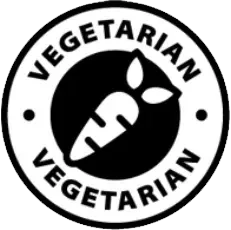
Below the three active ingredients on this Supplement Facts panel sits a shorter, easy-to-skip line: other ingredients. On this label, it names hypromellose first, followed by microcrystalline cellulose, magnesium stearate and silica. You can see this exact wording on the supplement facts page.
Hypromellose is the capsule shell itself, the two-piece casing that holds the powder inside. It is not an active ingredient and carries no listed amount or Daily Value, the way other-ingredients lines generally do not. But it is the single fact responsible for this product being a vegetarian capsule rather than a traditional gelatin one, and it is worth understanding on its own.
What hypromellose actually is
Hypromellose, short for hydroxypropyl methylcellulose and often abbreviated HPMC, is a semi-synthetic polymer made starting from plant cellulose, typically sourced from wood pulp or cotton linters. Cellulose itself does not dissolve or form a flexible film on its own; chemical modification, attaching hydroxypropyl and methyl groups to the cellulose backbone, gives it the solubility and film-forming properties needed to be molded into a capsule shell.
The starting material (plant cellulose) and the end use (an edible, film-forming shell) are what matter for a vegetarian claim. Because the entire process starts from a plant fiber and never introduces an animal-derived ingredient, an HPMC capsule shell is accurately described as vegetarian, and in most formulations, vegan.
HPMC capsules are not unique to this product. They are a widely used, standard pharmaceutical and nutraceutical excipient, chosen specifically by manufacturers who want to avoid gelatin for dietary, religious or allergen reasons.
Manufacturing an HPMC shell generally works by dissolving the modified cellulose in water to form a viscous solution, dipping shell-shaped pins into that solution, and drying the resulting film before stripping it off and trimming it into the familiar two-piece capsule shape. The process is a direct parallel to how gelatin shells are made, substituting a plant-derived solution for an animal-derived one at the very first step, which is why HPMC was adopted industry-wide as a drop-in replacement rather than requiring new capsule-filling equipment.
Religious dietary law is one of the original reasons HPMC capsules became common. Gelatin sourced from pork is not halal or kosher, and gelatin sourced from cattle raises separate halal, kosher and Hindu dietary concerns depending on how the animal was processed. A plant-cellulose shell sidesteps all of those questions at once, which is part of why HPMC capsules are now standard across much of the global supplement industry, not just in products marketed specifically as vegetarian.
Gelatin vs. HPMC: why the shell material is the whole question
Traditional capsule shells are made from gelatin, a protein derived by boiling the collagen out of animal skin, bone and connective tissue, most often from cattle (bovine) or pigs (porcine). Gelatin capsules are not vegetarian under any definition, because the shell material is, by its nature, an animal byproduct.
| Feature | Gelatin capsule | HPMC (hypromellose) capsule |
|---|---|---|
| Source material | Animal collagen (commonly bovine or porcine) | Plant cellulose (commonly wood pulp or cotton) |
| Vegetarian | No | Yes |
| Vegan | No | Usually yes, formulation-dependent |
| Common label wording | Gelatin (bovine) or Gelatin (porcine) | Hypromellose, HPMC, or “vegetable cellulose” |
The only way to verify which category a given product falls into is to read the other-ingredients line itself. A marketing claim of “vegetarian” on the front of a bottle is a summary; the shell material named on the actual Supplement Facts panel is the fact it is summarizing.
There is also a practical, non-dietary reason some brands prefer HPMC beyond the vegetarian claim: gelatin shells are more sensitive to humidity, drying out and becoming brittle in low-moisture conditions or softening and sticking together in high-moisture ones. HPMC shells tolerate a wider humidity range before that happens. That stability detail is a manufacturing consideration, not a claim this label makes, but it is part of why HPMC adoption has grown well beyond vegetarian-marketed products specifically.
Is “vegetarian” a regulated labeling term?
No. FDA formally defines and regulates specific categories of claims on food and supplement labels, including health claims, structure/function claims, and nutrient content claims (terms such as “low fat” or “excellent source of”, which carry exact numeric thresholds). “Vegetarian” is not one of those defined categories.
Instead, a “vegetarian” claim falls under FDA's general requirement that all labeling be truthful and not misleading. There is no government-issued checklist a product must satisfy, and no federal agency certifies the claim before the product reaches a shelf. A manufacturer can call a capsule vegetarian as long as the claim is accurate, and the main way to confirm it independently, as a reader, is to look at what the other-ingredients line actually names.
Private, third-party certification programs for “vegan” or “vegetarian” products do exist in the marketplace, but none is a government requirement, and this label does not reference one.
This is a narrower gap than it might sound. FDA's authority over supplement labeling is real and broad: the agency can and does act against labeling that is false or misleading, including an inaccurate vegetarian claim, under its general misbranding authority. What FDA does not do is pre-approve or certify the claim before a product ships, the way it does with a defined nutrient-content term. Enforcement, when it happens, is after the fact, in response to a complaint or an inspection, rather than a gatekeeping step a label has to pass through first.
Compare that to a claim FDA does regulate: “gluten-free”
Seeing a regulated claim next to an unregulated one makes the difference concrete. “Gluten-free” is defined in federal regulation at 21 CFR 101.91: a food or supplement labeled gluten-free must contain fewer than 20 parts per million of gluten, a specific, testable, enforceable numeric threshold set by FDA rulemaking.
“Vegetarian” has no equivalent regulation; no FDA rule sets a testable threshold or a formal review process for the term. That does not make a vegetarian claim untrustworthy, it simply means the burden of accuracy sits entirely with the manufacturer's own labeling, and a reader's best tool for checking it is the ingredient line itself rather than a regulatory seal.
What a “vegetarian capsule” claim does not cover
A vegetarian capsule-shell claim is specific to the shell. It says nothing, by itself, about:
- The active ingredients inside the capsule. Those have to be checked separately against the same other-ingredients and ingredients lines.
- Vegan status specifically. Vegetarian and vegan are not identical standards; a vegan claim additionally excludes ingredients like dairy-derived or insect-derived additives that a vegetarian standard may still permit elsewhere in a formulation.
- Manufacturing cross-contact. A vegetarian ingredient list does not, by itself, describe whether the product was made on shared equipment with animal-derived ingredients.
- Any third-party certification. Unless a specific certification mark and certifying body are shown, “vegetarian” is the manufacturer's own description.
None of this means the claim on this label is inaccurate. The ingredient named, hypromellose, is a genuinely plant-derived shell material, and the claim checks out against that line. The point is narrower: knowing why it checks out (because of one specific named ingredient) is more useful than taking a front-of-bottle word at face value.
The active-ingredients question is worth a closer look on any label, this one included. Probiotic blends in particular sometimes use animal-derived growth media or encapsulating agents during manufacturing that never appear on the final ingredient line in an obvious way, since processing aids used earlier in production are not always required to be disclosed the same way a direct ingredient is. A vegetarian shell claim does not, on its own, answer that upstream question, and this article is not making a claim either way about this product's probiotic blend specifically, only about what “vegetarian capsule” itself does and does not cover as a label statement.
One more wrinkle: HPMC and “dietary fiber” are a separate question
One detail worth knowing, because it trips people up when they read ingredient panels closely: hydroxypropyl methylcellulose, the same material named here as the capsule shell, is separately recognized by FDA as one of a short list of isolated carbohydrates that can be declared as “dietary fiber” on a label, when it is added to a product for that purpose and in a fiber-relevant amount (FDA, Questions and Answers on Dietary Fiber).
That does not apply here. On this label, hypromellose is listed under other ingredients, functioning as the capsule shell, in a small, structural amount, not declared or counted as a fiber ingredient, and it is not part of the 211 mg or 100 mg active fiber amounts discussed elsewhere on this label. It is the same chemical substance that can, in a different product and a different role, count toward a fiber total; here, its job is purely to hold the capsule together.
How to check any capsule's “vegetarian” claim yourself
The method is the same for any supplement, not just this one:
Find the other-ingredients line
It sits below the active ingredients on the Supplement Facts panel, usually in smaller type.
Look for the shell material by name
“Gelatin” (often with bovine or porcine noted) means animal-derived. “Hypromellose,” “HPMC,” or “vegetable cellulose” means plant-derived.
Remember it's a manufacturer claim
No FDA seal certifies “vegetarian.” The ingredient line is the actual evidence; the front-of-bottle word is a summary of it.
Check separately for vegan status if that matters to you
Vegetarian does not automatically mean vegan. Review the full ingredient list if that distinction is important.
On this product, that check lands on hypromellose, a plant-cellulose shell, confirmed on the supplement facts page.
It takes under a minute once you know what to look for, and it is the same minute worth spending on any supplement, vitamin, or capsule-form product making a similar claim, not just this one. The shell material is one line among many on a label, but it is one of the few lines where a single word, read correctly, settles the whole question.
What “Vegetarian Capsule” on This Label Actually Requires: common questions
What makes a capsule “vegetarian”?
The shell material. A vegetarian capsule uses a plant-derived shell, commonly hypromellose (HPMC), instead of gelatin, which is made from animal collagen.
What ingredient makes this specific capsule vegetarian?
The other-ingredients line on this label names hypromellose as the capsule shell. Hypromellose is made from plant cellulose, which is what supports the vegetarian description.
Is “vegetarian” an FDA-regulated label claim?
No. FDA defines specific claim categories such as health claims and nutrient content claims, but “vegetarian” is not one of them. It falls under the general rule that all labeling must be truthful and not misleading, verified by checking the actual ingredient line.
Is hypromellose the same as gelatin?
No. Gelatin is an animal protein derived from collagen. Hypromellose (hydroxypropyl methylcellulose) is a plant-cellulose derivative. They serve the same structural role as a capsule shell but come from entirely different sources.
Does “vegetarian” automatically mean “vegan”?
No. The two terms are not identical. A product can be accurately described as vegetarian while containing other ingredients, elsewhere in the formulation, that a strict vegan standard would exclude.
Is hypromellose counted as a fiber on this label?
No. FDA does recognize hypromellose as an isolated carbohydrate that can count toward dietary fiber in some products. On this label it is listed under other ingredients as the capsule shell, not as a declared fiber ingredient, and it is separate from the 211 mg and 100 mg active fiber amounts.